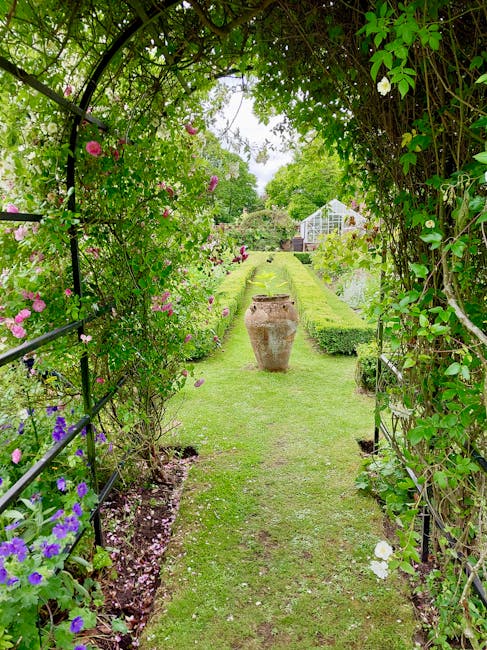
Insider tips from Totteridge gardeners for country garden care
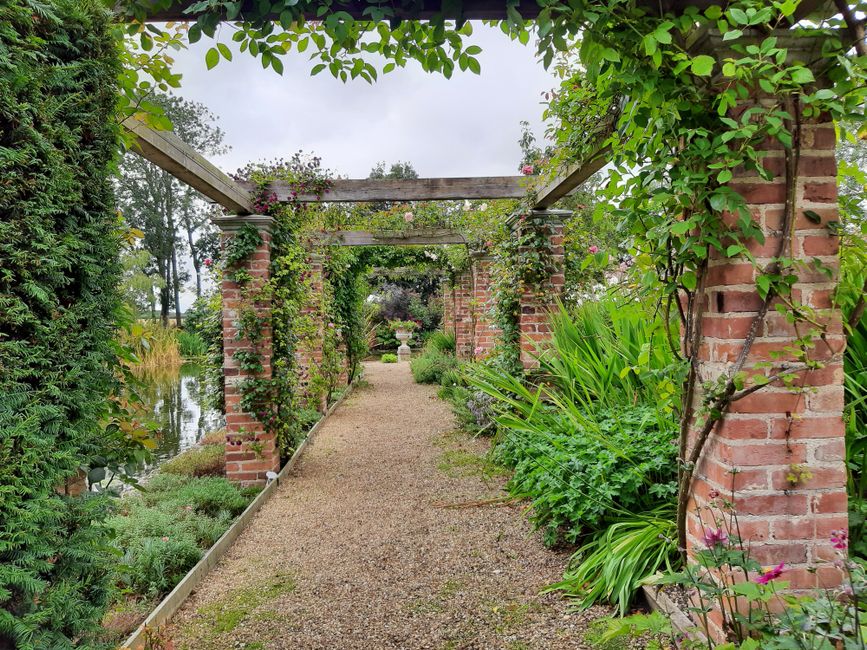
If your garden has that slightly untamed, countryside feel - long borders, mature shrubs, a patch of lawn that never quite behaves, maybe a hedge that seems to grow an inch overnight - then you already know country garden care is a different beast. The usual quick tidy-up just doesn't cut it. In this guide, we share Insider tips from Totteridge gardeners for country garden care that focus on what actually works in real gardens: the kind with shade, seasonal pressure, wildlife, heavy soil, and a constant battle against things growing faster than you planned.
The good news? With the right routine, you can keep a country-style garden looking calm, healthy, and beautifully lived-in without turning every weekend into a gardening marathon. Below, you'll find practical advice, a clear process, common mistakes to dodge, and a few sensible pointers on when a professional touch makes life easier. It's the sort of guidance that saves time and, frankly, a bit of frustration too.
Why Insider tips from Totteridge gardeners for country garden care Matters
Country gardens look relaxed, but they are rarely low-effort. In Totteridge and similar leafy parts of North London, many gardens have mature planting, shaded corners, established hedges, and long-running soil issues that don't disappear just because the weather turns pleasant. That means care has to be thoughtful. Not frantic. Thoughtful.
One of the biggest mistakes people make is treating a country garden like a standard suburban lawn with a few beds around the edge. It's more like a small ecosystem. Trees influence shade and moisture. Hedging affects airflow. Old borders respond to pruning and feeding in ways that are not always obvious at first glance. Miss the pattern, and you can end up with weak growth, patchy grass, or plants that look fine for a month and then sulk for the rest of the year.
That is why local experience matters. Gardeners who work in Totteridge tend to get familiar with the practical realities: clay-heavy patches after rain, dry spells that arrive just when young planting needs water, and hedges that need regular shaping to stop the whole garden looking closed in. They also know when a quick tidy is enough and when the garden needs a proper reset.
In other words, country garden care is about rhythm, not reaction. Get the rhythm right and everything becomes easier to manage.
How Insider tips from Totteridge gardeners for country garden care Works
Good country garden care works on three levels: structure, maintenance, and seasonal response. If any one of those slips, the rest starts to feel harder than it should.
1. Structure first
Structure is the backbone of the garden. Think hedges, paths, lawn edges, mature trees, climbing plants, and planting beds that define the space. Without a clear structure, even a healthy garden can look messy. That's why services such as hedge trimming and thoughtful landscaping matter so much. They shape the garden before the finer details come into play.
2. Maintenance keeps the garden honest
Maintenance is the regular work that stops small issues becoming expensive ones. Lawn care, pruning, clearing leaves, checking drainage, and keeping weeds under control all sit here. A sensible routine through the year often does more for the garden than a dramatic one-off makeover. If your schedule is already packed, a steady garden maintenance plan is usually the most realistic way to stay ahead.
3. Seasonal response keeps everything in balance
Country gardens change quickly. Spring growth can be exuberant - almost rude, really - while autumn brings debris, dampness, and slower drying soil. Summer may dry out borders and lawns, and winter exposes the bones of the garden in a way that shows every weakness. The right response depends on the season, not just the task list.
That's the real trick. Don't garden by panic. Garden by pattern.
Key Benefits and Practical Advantages
Once a country garden is on the right footing, the benefits are obvious. Not just visually, but in the day-to-day feel of the space.
- Healthier plants: Better spacing, pruning, and feeding reduce stress and improve growth.
- Cleaner sightlines: Tamed hedges and clear edges make large gardens feel coherent rather than cluttered.
- Lower long-term effort: Small, frequent jobs are easier than big rescues after months of neglect.
- Better lawn quality: A managed mowing and feeding rhythm usually leads to stronger grass cover and fewer bare patches.
- Improved safety: Clear paths, checked trees, and tidier borders reduce trip hazards and hidden problems.
- More usable space: If you can actually walk around and enjoy the garden, it starts to earn its keep.
There's also a less obvious benefit: calm. A well-managed garden feels easier to live with. You look out the window on a grey morning and it still looks intentional. That matters more than people admit.
Who This Is For and When It Makes Sense
This advice is especially useful if you have a country-style garden with some of the following features:
- mature trees or large shrubs
- long hedges or boundary planting
- a lawn that needs regular attention
- mixed beds with perennials, roses, or cottage-style planting
- overgrown sections that need reclaiming
- areas that stay wet in winter or dry out in summer
- outdoor spaces that should look cared for, but not overly formal
It also makes sense if you've recently moved into a property in Totteridge and inherited a garden that clearly had better days. That happens a lot. One minute the estate agent says "great potential", the next you are staring at a thicket of bramble, a lopsided hedge, and a lawn that looks more moss than grass.
If that sounds familiar, you are not alone. It's a very normal starting point, and perfectly fixable.
This approach is also suitable for landlords, busy households, and anyone who wants the garden to stay presentable without having to micromanage every border.
Step-by-Step Guidance
Here's a practical way to approach country garden care without making it more complicated than it needs to be.
Step 1: Walk the garden properly
Start with a slow walk, not a rushed glance. Look for overgrown areas, weak growth, broken branches, blocked paths, weeds in paving, and places where water sits after rain. Notice where the garden feels heavy or closed in. You'll usually find the real work is not where you expected it to be.
Step 2: Prioritise the structure
Before you touch every plant, sort the bones of the garden. Hedges, trees, large shrubs, and borders come first. If a hedge is swallowing light or a tree canopy is dragging the garden into shade, the whole space can feel tired. In many cases, careful tree lopping and removal advice is useful where a tree is damaged, poorly positioned, or simply too dominant for the space. That said, pruning should always be considered carefully and carried out with the right judgement.
Step 3: Clear what is genuinely in the way
Sometimes the garden doesn't need "cleaning up"; it needs proper clearance. Old piles of clippings, dead plants, broken pots, and unwanted growth can all create a backlog that makes maintenance harder. A focused garden clearance can reset the space and make the next decisions much easier.
Step 4: Reset the lawn
Lawns are often the biggest visual surface, so neglect shows quickly. Regular mowing, edging, scarifying where necessary, and sensible watering help keep things even. If the grass is being smothered by shade or competing roots, you may need to accept a more modest lawn and focus on resilience rather than perfection. Truth be told, a slightly rustic lawn often suits a country garden better anyway.
Step 5: Feed and mulch with intention
Feeding should support the plant, not just make the garden look greener for a week. Mulch helps retain moisture, suppress weeds, and improve soil over time. Use it carefully around established plants and avoid piling it against stems or trunks. Small detail, big difference.
Step 6: Build a repeatable routine
Once the garden is under control, set a rhythm for mowing, hedge checks, border weeding, and seasonal tidying. A monthly plan is often enough for the average country-style garden, but fast-growing areas may need more regular attention. If you're unsure where to start, a professional services overview is a sensible place to compare what kind of support suits your garden's needs.
Expert Tips for Better Results
Here are the sorts of tips experienced Totteridge gardeners tend to rely on. Nothing flashy. Just the things that make gardens look better for longer.
- Trim hedges before they become a problem. Once they start shading borders or narrowing paths, the knock-on effect spreads fast.
- Let the season lead the work. Spring is for shaping and encouraging growth; late autumn is better for clearing, protecting, and tidying.
- Don't over-prune for the sake of neatness. A country garden should feel balanced, not stripped back to the point of looking embarrassed.
- Watch the soil, not just the plant. If the soil is compacted, dry, or waterlogged, plant health will always lag behind.
- Be selective with "wildness". A relaxed garden is lovely. A neglected one is something else entirely.
- Use repeated small jobs to your advantage. Ten minutes of edging or deadheading here and there often beats a full Saturday lost to catch-up.
One small but useful observation: country gardens rarely fail all at once. They drift. A hedge gets away, then the border gets crowded, then the lawn thins, then the whole thing feels harder to face. Catch that drift early and you save yourself a lot of work later.
And yes, there's always one corner that refuses to behave. Every garden has one. It's practically a rule.
Common Mistakes to Avoid
Even experienced gardeners get tripped up by a few predictable errors. The good news is they are easy to spot once you know what to look for.
Leaving the garden until it looks "bad enough"
This is the classic one. By the time it looks bad enough to deal with, the work has already multiplied. Regular care is much less stressful.
Cutting too much at once
Hard pruning can be useful in the right context, but taking too much off at once can weaken plants, expose bark, or leave a hedge sparse for months. A measured approach is usually better.
Ignoring drainage problems
If water sits in one area, you may be fighting the wrong battle by only mowing or feeding. Drainage issues need to be understood first.
Using the same routine year-round
Winter care is not spring care. Summer mowing is not autumn clearance. Gardens change. The routine should change too.
Forgetting access and usability
A garden can look attractive and still be awkward to move through. Narrow paths, low branches, and cluttered borders make day-to-day use frustrating.
Assuming one tidy-up fixes everything
Sometimes the first visit reveals deeper issues: old root competition, tired soil, or structural planting that needs rethinking. A quick fix can help, but it is not always the full answer.
None of this is complicated, really. It's mostly about paying attention before the garden starts shouting at you.
Tools, Resources and Recommendations
You don't need a van full of kit to keep a country garden in shape, but having the right basics makes the job less tiring and a lot more effective.
| Task | Useful tool or approach | Why it helps |
|---|---|---|
| Hedge shaping | Sharp hedge trimmers, long-reach tools where safe | Creates cleaner cuts and better control |
| Lawn care | Reliable mower, edging tool, rake | Keeps the lawn neat and stops the edges blurring |
| Border work | Hand fork, secateurs, mulch | Makes weeding and maintenance less disruptive |
| Clearance work | Heavy-duty bags, pruners, barrow | Speeds up removal of cuttings and debris |
| Tree and shrub checks | Good visibility, ladder only where appropriate and safe | Helps spot deadwood, crossing branches, and canopy issues |
If the work is becoming regular rather than occasional, it may be worth choosing a dependable maintenance schedule instead of piecemeal callouts. That can be more efficient and less disruptive, especially if the garden includes hedges, lawns, and seasonal planting all at once. The right combination often includes lawn mowing, hedge trimming, and broader garden maintenance.
It also helps to think beyond the plant itself. Soil health, access, waste removal, and aftercare all matter. A garden is a system, not just a set of nice bits.
Law, Compliance, Standards, and Best Practice
For most homeowners, country garden care is about good practice rather than formal compliance. Even so, a sensible approach matters, especially when working near trees, boundary structures, paths, or potentially hazardous materials.
If work involves trees, especially larger specimens or anything with visible damage, it is wise to treat it carefully and avoid guessing. Trees can have safety implications, and cutting them back without understanding the structure can create more problems than it solves. Likewise, if waste is being removed, responsible disposal and recycling are worth asking about. Services with a clear commitment to recycling and sustainability tend to make that process simpler and more transparent.
Health and safety also matters where tools, ladders, heavy branches, and uneven ground are involved. Good operators should have a sensible approach to risk, proper insurance arrangements, and clear working methods. If you are hiring help, it is fair to ask how the work will be done and what precautions are taken. That's not being picky. That's being sensible.
Some gardeners also care about how the company handles privacy, payments, and service terms. That is part of trust. If you want to understand the wider service setup, pages such as insurance and safety, payment and security, and terms and conditions can help set expectations before any work begins.
Options, Methods, and Comparison Table
Not every country garden needs the same level of input. Some are tidy but tired. Others are overgrown but structurally sound. A few need a full rethink. Here's a simple way to compare the most common approaches.
| Approach | Best for | Pros | Limitations |
|---|---|---|---|
| Light seasonal tidy-up | Mostly healthy gardens needing regular care | Fast, economical, easy to repeat | Won't solve deeper structural issues |
| Routine maintenance plan | Established gardens with ongoing growth | Keeps everything in balance over time | Needs consistency |
| One-off clearance and reset | Overgrown or neglected spaces | Creates a clean starting point | Can reveal hidden problems afterwards |
| Landscape-led refresh | Gardens that need new layout or improved function | Improves usability and design | More planning and investment required |
In practice, many Totteridge gardens benefit from a blend. A little clearance, a smart maintenance routine, and selective landscape improvements. Not everything needs to happen at once. Actually, it usually shouldn't.
Case Study or Real-World Example
Consider a typical country-style garden with mature hedging, a patchy lawn, a few tired shrubs, and a rear section that has become a dumping ground for cuttings and old pots. At first glance, it looks overwhelming. The owner feels stuck, so nothing gets done for a while. Understandable, honestly.
The first step is not to try to "fix" the whole thing. It's to simplify it. Clear the waste. Reduce the hedge bulk carefully. Lift low branches where needed. Mow the lawn properly and define the edges. Then assess what is worth keeping and what is quietly dragging the garden down.
After that first pass, the change is usually immediate. Light reaches the border again. The lawn stops looking like a lost cause. Paths become usable. And, perhaps most importantly, the garden starts to feel manageable instead of accusatory.
That is often the turning point. Once people can see the structure again, they stop dreading the space. They start using it. Tea outside. Children running about. A bit of morning quiet with birds in the hedge. Simple things, but they matter.
Practical Checklist
Use this checklist to keep country garden care under control across the year.
- Walk the garden once a month and note changes
- Check hedges for shape, density, and light blockage
- Inspect trees and larger shrubs for deadwood or crowding
- Keep lawn mowing regular rather than sporadic
- Clear leaves, fallen twigs, and debris before they build up
- Weed borders before roots spread
- Mulch where the soil needs moisture retention and weed suppression
- Review drainage after heavy rain
- Remove broken pots, old supports, and clutter from hidden corners
- Plan seasonal tasks rather than waiting for the garden to get away from you
Expert summary: the best country garden care is steady, seasonal, and a little boring in the nicest possible way. That's what makes it work.
If you want a more tailored plan or a second opinion on a garden that has become a bit much, it is worth speaking with a local team that understands both maintenance and larger structural work. You can learn more about the company background on the about us page or get in touch through the contact page when you are ready to talk through the details.
Get a free quote today and see how much you can save.
Conclusion
Country garden care is not about making everything perfect. It is about keeping the garden healthy, usable, and quietly beautiful through the seasons. The best insider tips from Totteridge gardeners are rarely dramatic. They are practical, consistent, and built on real experience with gardens that have a mind of their own.
Start with the structure. Keep the maintenance regular. Watch the seasons. And don't wait until the garden is shouting for attention. A little care, done well, goes a very long way.
And if your garden is currently somewhere between "charming" and "help", that's fine too. Most good gardens start there.
Frequently Asked Questions
What makes country garden care different from standard garden maintenance?
Country garden care usually involves larger planting schemes, more hedging, mature trees, and a stronger seasonal rhythm. There is often more shade, more debris, and more variation in soil and moisture. Standard maintenance can still apply, but the priorities are often broader and more structural.
How often should a country-style garden be maintained?
That depends on the size and growth rate, but many gardens benefit from regular monthly attention with more frequent visits during peak growing months. Hedges and lawns usually need closer monitoring than shrubs or dormant beds.
Is a one-off clearance enough for an overgrown garden?
Sometimes it is a good start, especially if the garden has become cluttered or inaccessible. But if there are ongoing issues like rapid growth, poor structure, or drainage problems, a one-off clearance alone will not keep it in shape for long.
Should I cut back large shrubs and hedges myself?
Smaller shaping jobs are often manageable, but larger or taller growth can be awkward and risky. If the hedge is dense, high, or close to boundary features, it is usually better to use experienced help rather than guessing.
What is the best time of year for major garden work?
That depends on the task. Spring is often good for shaping, feeding, and encouraging growth, while autumn suits clearing, tidying, and preparing the garden for winter. Some work is possible year-round, but the right timing makes a big difference.
How do I keep a lawn healthy in a country garden?
Keep mowing regular, avoid cutting too short in stressful weather, and pay attention to shade, drainage, and competition from roots. If the lawn is struggling, it may need more than mowing alone, such as feeding, aeration, or rethinking the surrounding planting.
Do I need professional help for hedge trimming?
Not always, but professional help is useful when hedges are tall, thick, uneven, or part of a larger boundary scheme. Good trimming is about shape, timing, and avoiding overcutting, not just making it look shorter.
What should I ask before booking a gardening service?
Ask what is included, how waste will be handled, whether the work is one-off or recurring, and how the team manages safety and insurance. It is also sensible to check whether the service is suited to maintenance, clearance, or landscaping work.
Can country gardens be improved without a full redesign?
Absolutely. In many cases, targeted maintenance, selective pruning, better edging, and small structural tweaks make a big difference. A full redesign is only needed if the layout or planting no longer suits how the space is used.
How do I stop my country garden from looking messy all the time?
Focus on regular small tasks rather than occasional big efforts. Keep hedges shaped, borders weeded, lawn edges crisp, and dead material removed before it piles up. A steady routine keeps the garden looking cared for even when it is naturally relaxed.
What if my garden has both heavy shade and dry patches?
That is very common in mature gardens. Shade and dryness can exist in different parts of the same space because trees, walls, and soil conditions vary. The answer is usually to match planting and maintenance to each area rather than trying to force one solution everywhere.
Where can I find broader services if my garden needs more than basic care?
If the work goes beyond routine maintenance, it may help to look at a broader range of support, such as landscape gardening, decking services, or a wider services overview to compare the options. That way you can choose the right level of help instead of overcommitting.