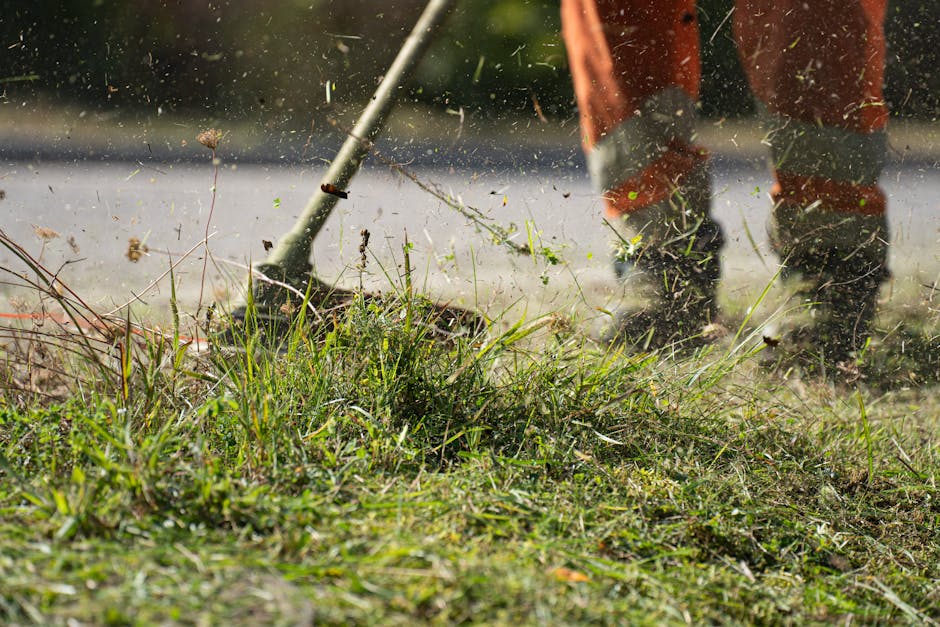
High Barnet EN5 gardeners quick tidy and hedge trimming: a practical guide for a sharper, healthier garden
If your garden in High Barnet is starting to look a little tired, overgrown, or simply in need of a proper reset, you are not alone. A lot of homes in EN5 only need a quick tidy and hedge trimming to bring everything back under control. It sounds simple, and often it is. But the difference between a rushed cut and a well-handled visit is bigger than people expect: cleaner edges, healthier growth, less mess, and a garden that feels usable again.
This guide explains what a quick garden tidy usually involves, how hedge trimming is approached, what to look for in a local gardener, and how to get better results without overcomplicating things. You'll also find a checklist, common mistakes to avoid, and a realistic look at when a tidy-up is enough and when you may need something more comprehensive, such as regular garden maintenance or even garden clearance.
Truth be told, most people do not want a grand redesign when they search for this kind of service. They want the front and back garden to look respectable again, fast, with the hedges under control and the whole space feeling less "oh no" every time they glance out of the window. Fair enough.
Table of Contents
- Why High Barnet EN5 gardeners quick tidy and hedge trimming Matters
- How High Barnet EN5 gardeners quick tidy and hedge trimming Works
- Key Benefits and Practical Advantages
- Who This Is For and When It Makes Sense
- Step-by-Step Guidance
- Expert Tips for Better Results
- Common Mistakes to Avoid
- Tools, Resources and Recommendations
- Law, Compliance, Standards, or Best Practice
- Options, Methods, or Comparison Table
- Case Study or Real-World Example
- Practical Checklist
- Conclusion
- Frequently Asked Questions
Why High Barnet EN5 gardeners quick tidy and hedge trimming Matters
A quick tidy and hedge trimming job is not just about making a garden look neat for one afternoon. It changes how the space works day to day. Overgrown hedges can block light, make paths feel narrow, and create a heavy, closed-in feeling that makes even a decent garden look neglected. A tidy-up cuts through that. Literally.
In High Barnet, gardens can range from compact front plots to larger family back gardens with mixed planting, old shrubs, and hedging that has been left to "sort itself out" for a bit too long. When that happens, the work often needs a mix of practical cutting, waste removal, and a judgement call about what to preserve. Good gardeners do not just chop at everything. They shape, clear, and leave the garden in better balance.
There is also a seasonal angle. After a wet spell, hedges often surge into awkward growth. After winter, borders can look flattened, damp, and messy. Before family visits, estate photos, a house sale, or simply the return of milder weather, a quick tidy gives the whole property a lift. It is a modest job with a disproportionately big payoff. No drama, just better living.
And yes, hedge trimming is about health as well as looks. A hedge trimmed at the right time and in the right way tends to stay denser and cleaner at the edges. A hedge hacked back badly? That's when you get thin patches, uneven regrowth, and the sort of shape that makes you wince every morning at the kitchen window.
How High Barnet EN5 gardeners quick tidy and hedge trimming Works
Most tidy-up visits follow a similar rhythm, though the exact order depends on the condition of the garden. The aim is to restore order efficiently without doing unnecessary work. That sounds obvious, but it matters. A good gardener will usually start by assessing the whole space, not just the hedge line.
A typical quick tidy may include:
- cutting back overgrowth around paths, beds, and borders
- trimming hedges to a neater profile
- removing light green waste and clippings
- neatening edges and visible lines
- clearing fallen leaves, twigs, and debris
- spot-checking any areas that are hiding pests, rot, or damaged stems
Hedge trimming itself is part art, part discipline. The gardener will usually look at the hedge's natural shape, its thickness, and how much growth it can comfortably lose without becoming stressed. Some hedges cope well with a sharper reduction; others need a lighter, more careful pass. If a hedge has been left untouched for months, the best approach is often staged trimming rather than trying to make it perfect in one go.
For many households, a quick tidy is also a "reset" before more regular care. You might start with one visit, then move into a lighter schedule through the year. If that is the plan, it can help to pair trimming with other services such as lawn mowing or ongoing garden maintenance so the whole garden stays consistent rather than looking half done.
One small but useful detail: a proper tidy includes waste handling. Clippings, branches, and hedge cuttings can fill bags quickly, especially after a long-ignored hedge line. If the waste is not managed properly, the garden can look tidy for about ten minutes and then feel cluttered again. Nobody wants that.
Key Benefits and Practical Advantages
The obvious benefit is appearance, but there are several others that matter just as much in real life.
- Better kerb appeal: A neat hedge and clear borders make the property look cared for from the street.
- More light: Trimming back heavy growth can let daylight reach windows, borders, and seating areas.
- Easier access: Paths, gates, and side returns become simpler to use when plants are not spilling everywhere.
- Healthier plants: Careful trimming can encourage better structure and reduce awkward, weak growth.
- Less maintenance later: A small tidy now often prevents a much bigger job later on.
- Safer movement around the garden: Clear lines reduce trip hazards and stop branches from scraping walkways.
There is also a less tangible benefit: the garden feels manageable again. That matters more than people admit. If you have ever looked out at an overgrown hedge on a grey Tuesday morning and thought, "I will deal with that later," you know the feeling. Once it is done, the mental weight lifts a bit. Not magically, but enough.
A practical tidy can also support other improvements. Once the space is cleared, you may notice areas that could use landscape gardening, a refreshed layout, or even some new landscaping to improve flow and structure. That is where a simple tidy becomes the first step in a better garden rather than just a one-off fix.
Expert summary: A good quick tidy is not about doing everything possible; it is about doing the right things in the right order so the garden looks calmer, grows back more cleanly, and stays easier to manage afterwards.
Who This Is For and When It Makes Sense
This kind of service suits a wide range of people. Some have been too busy. Some have had weather get in the way. Some simply do not want to spend their weekend balancing on a ladder with hedge trimmings in their hair. Hard to blame them.
You are likely a good fit for a quick tidy and hedge trimming if:
- your front garden looks untidy but not severely neglected
- hedges are growing beyond their intended shape
- you want the property to look better for visitors, tenants, buyers, or family
- paths, gates, or window areas are being crowded by growth
- you need a reset before starting routine maintenance again
It also makes sense if you are preparing for a specific moment. A party in the garden. A house valuation. A rental inspection. Or perhaps you have just noticed that the privet at the front has become a bit of a character in its own right. Happens more than you'd think.
On the other hand, if the garden has months of accumulated debris, fallen branches, invasive growth, and overstuffed beds, a quick tidy may not be enough. In those cases, a fuller service such as garden clearance can be more realistic. The key is matching the job to the condition of the space, not pretending a fast trim will solve everything.
Step-by-Step Guidance
Here is a clear way to think about the process from start to finish.
- Walk the garden properly. Start with a full look at the front, back, side return, and any boundary hedges. Check where the mess is really coming from.
- Decide what needs a light tidy versus a proper cut. Some areas only need shaping. Others may need more substantial reduction. A good eye helps here.
- Protect nearby surfaces and planting. Pots, paving, and delicate shrubs may need a bit of care before cutting begins.
- Trim hedges in sections. This allows for better shape control and avoids taking too much off too quickly.
- Clear clippings as you go. Leaving everything until the end often creates a bigger mess than expected.
- Edge, neaten, and inspect. Small finishing touches make the whole result feel sharper.
- Remove waste responsibly. Bagging, loading, and disposal should be planned from the start, not left as an afterthought.
- Do a final visual check. Step back from the garden and look at it from the house, pavement, and gate. This is where imbalances show up.
That final step sounds minor, but it is one of the most useful. A hedge can look tidy up close and slightly off from a distance. The same goes for borders. When you step back, the shape either holds together or it doesn't. Simple as that.
Expert Tips for Better Results
Small choices make a noticeable difference. In our experience, the best results come from a mix of restraint and consistency. Not every hedge wants a dramatic haircut.
- Trim for shape, not just size. Aim for an even silhouette so the hedge looks intentional.
- Do not rush the first cut. It is easier to take a little more off than to put growth back on.
- Respect the hedge's type. Dense formal hedges, softer mixed hedges, and flowering shrubs all behave differently.
- Watch the weather. Damp conditions, strong wind, or a heavy frost can make work messier and less precise.
- Keep one side slightly narrower if space is tight. This can stop a hedge from overpowering paths or driveways.
- Plan ahead for regrowth. A neat cut now should still look balanced in a few weeks, not just on the day.
If your hedge sits near a boundary or driveway, it is worth considering the practical side too. Will the trimmed shape make it easier to pass with bins, bikes, or a car door? Does it open the space visually? Those little questions often lead to better decisions than chasing a perfect "before and after" look.
And here's one for free: if you have mixed jobs in the garden, such as pruning, mowing, and boundary work, it usually makes sense to group them together. Services like services overview can help you think about the wider job rather than treating each task in isolation. Saves time. Saves faff. Everyone wins.
Common Mistakes to Avoid
A lot of poor hedge trimming comes from good intentions and bad timing. Not ideal, but fixable. Here are the mistakes that come up most often.
- Cutting too hard at once: This can leave hedges patchy or stressed.
- Ignoring the hedge's natural line: A hedge that is fought into a shape it does not want often looks awkward.
- Leaving waste behind: Even a well-trimmed garden looks unfinished if clippings are scattered around.
- Using blunt or unsuitable tools: Rough cuts heal badly and leave messy edges.
- Trimming during the wrong conditions: Wet, icy, or windy weather can make a tidy much less tidy.
- Forgetting access and safety: Ladders, extension leads, and uneven surfaces need proper attention.
One common error is treating every hedge the same. They are not all the same, obviously, but people still trim them as though they are. Some hedges can take a crisp, geometric finish. Others look best with a softer, natural profile. If you are unsure, a slightly cautious approach is usually safer than an aggressive one.
Another mistake is assuming a "quick tidy" means "do the minimum and leave." It should still feel complete. Small jobs deserve proper care too. Maybe especially small jobs, because the imperfections stand out more.
Tools, Resources and Recommendations
You do not need a garage full of specialist kit to understand what makes a good result, but it helps to know the basics.
- Hedge trimmers: Useful for shaping larger runs of hedge quickly and evenly.
- Hand shears: Better for careful finishing and detail work.
- Pruning saws or loppers: Helpful where thicker stems need removing before trimming.
- Leaf rakes and tarps: Make cleanup smoother and stop clippings spreading everywhere.
- Gloves and eye protection: Basic, sensible, and easily overlooked when people are in a hurry.
- Waste bags or collection bins: Essential if the garden tidy includes a meaningful amount of green waste.
If you are comparing professional help, it is worth asking how the job will be handled, what waste removal is included, and whether the trimming is part of a one-off tidy or a longer-term care plan. You can also check related information such as pricing and quotes to understand how the service is typically scoped.
For households that care about greener handling of clippings and cuttings, it is reasonable to ask about recycling and disposal methods too. The right approach depends on the volume and type of waste, and a professional should be able to explain it clearly. Nothing fancy. Just clear answers.
Law, Compliance, Standards, or Best Practice
For ordinary domestic gardens, hedge trimming and quick tidy work are mainly guided by common sense, good practice, and safe working habits. There is no need to make it more complicated than that. Still, there are a few standards that matter.
Safety first: Any work involving ladders, sharp tools, or power equipment should be planned carefully. Stability, visibility, and control matter more than speed. If access is awkward, the safer option is often the better one, even if it takes a bit longer.
Respect boundaries and access: Hedges near fences, driveways, or shared paths should be handled thoughtfully so neighbouring properties are not affected unnecessarily. Communication helps. So does common courtesy, which, let's be honest, solves half of life's garden disputes.
Wildlife awareness: Hedges and dense planting can support nesting birds and other wildlife. If there is any sign of active nesting or other protected wildlife, trimming should be approached carefully and delayed where appropriate. A responsible gardener will avoid unnecessary disturbance.
Waste handling: Green waste should be managed cleanly and responsibly. Piles of cuttings left to rot in the corner are not a tidy result. They are just future trouble.
Insurance and professionalism: If you are hiring help, it is sensible to choose a provider that takes safety and public liability seriously. You can look into insurance and safety and the site's health and safety policy for more background on how a careful service should operate.
Best practice is simple: trim with purpose, work safely, protect surrounding plants, and leave the space genuinely better than you found it. That's the standard worth aiming for.
Options, Methods, or Comparison Table
Not every garden tidy needs the same level of work. Choosing the right option helps you spend money well and avoid disappointment. Here is a simple comparison.
| Option | Best for | What it usually includes | Typical result |
|---|---|---|---|
| Light quick tidy | Small areas with light seasonal mess | Minor weeding, sweeping, simple trimming, basic waste removal | Sharper, cleaner garden with minimal disruption |
| Quick tidy with hedge trimming | Gardens with visible hedge overgrowth and general clutter | Boundary trimming, neatening, debris removal, edging and shaping | Balanced improvement across the whole garden |
| Full maintenance visit | Homes needing repeat care through the year | Ongoing mowing, trimming, border care and regular upkeep | Long-term control and less buildup over time |
| Garden clearance | Heavily overgrown or neglected spaces | Bulk cut-back, clearing, loading, and removal of larger volumes of waste | A blanker, cleaner starting point |
The middle option is often the sweet spot for High Barnet homes. It gives you a visible improvement without committing to a full clearance or a long maintenance contract. That said, if the hedge is truly out of hand, honesty beats optimism every time.
Case Study or Real-World Example
Imagine a typical EN5 semi-detached house with a front hedge, a narrow path, and a back garden that has been left alone through late spring. The hedge is spilling toward the pavement, small branches are catching on the bin lid, and the lawn has started to look like it has lost the will to live. Nothing dramatic, just a bit too much of everything.
A quick tidy visit would usually begin at the front. The hedge would be brought back into line, the path edges cleaned, and the loose clippings cleared away first so the work area stays manageable. The back garden might then get a lighter pass: trimming around borders, removing dead material, and restoring some breathing room around the fence line. If the lawn is part of the job, it would be cut afterwards so the final finish looks intentional rather than pieced together.
By the end, the space would not be transformed into a show garden. It would be better than that in one important way: usable. You could walk through without brushing against growth, the front would look presentable from the street, and the whole place would feel less like a chore.
That is what a good quick tidy does. It does not try to be everything. It just gets the garden back to a sensible, good-looking baseline. And sometimes that is exactly what you need on a Thursday afternoon with the kettle going and the windows open.
Practical Checklist
Use this before booking or starting a tidy-up. It keeps the job focused.
- Identify which hedges or shrubs need shaping
- Check whether the job is light tidy, hedge trim, or fuller clearance
- Look for access issues such as narrow paths, uneven ground, or low branches
- Decide what should be removed versus what should stay
- Confirm whether waste collection is included
- Think about timing around weather, wildlife, and household plans
- Ask how the garden will be left after the work is done
- Consider whether the garden would benefit from follow-up maintenance
- Review safety and insurance arrangements if hiring help
- Check whether trimming should be matched with mowing or border work for a cleaner final result
Quick reminder: A good tidy is planned, not improvised. Even a small job goes smoother when you know the shape of the outcome you want.
Conclusion
High Barnet EN5 gardeners quick tidy and hedge trimming is really about restoring order in a way that feels practical, neat, and manageable. It is one of those services that can make a garden feel brighter, safer, and more welcoming without turning the whole place upside down. Done properly, it respects the garden's shape, keeps hedges healthy, and gives you back a space you actually want to look at.
If your garden is close to under control but just needs a sensible, skilled reset, start with a tidy and trim rather than waiting for everything to become a bigger job. That small bit of action now often saves a lot of work later. And honestly, it feels good to have that first clean line back again.
If you want to explore related services or compare your options, you may find it helpful to review about the team, the wider service range, and how to get in touch when you are ready to talk through the job. Little steps. No fuss.
Get a free quote today and see how much you can save.
Frequently Asked Questions
What does a quick tidy usually include for a High Barnet garden?
It usually includes light clearing, trimming back overgrowth, hedge shaping, edging, and removing loose clippings or small waste so the garden looks neat again.
Is hedge trimming included in a garden tidy or separate?
It can be either. Some tidy-up visits include hedge trimming as part of the work, while larger or more detailed hedge jobs may be handled separately. It depends on the size and condition of the hedge.
How do I know if I need garden clearance instead of a quick tidy?
If the garden has a lot of dense overgrowth, thick waste, fallen branches, or areas you can barely access, clearance is often the better fit. A quick tidy is more suitable for lighter, manageable mess.
Can hedge trimming help my garden look bigger?
Yes, in many cases it can. Cleaner hedge lines open up sightlines, let in more light, and reduce the closed-in feeling that overgrowth can create. The effect is often surprisingly strong.
How often should hedges be trimmed?
That depends on the hedge type, growth rate, and the look you want. Fast-growing hedges need more frequent attention, while slower, formal hedges may only need periodic shaping. A maintenance plan helps keep it consistent.
Will trimming damage my hedge?
Not if it is done properly and at the right time. Overcutting, using blunt tools, or trimming too hard in one go can stress the hedge, though, so a careful approach matters.
What should I do before the gardener arrives?
Move items away from hedge lines if you can, clear access to gates or paths, and point out anything delicate or awkward. It saves time and usually leads to a cleaner finish.
Do I need to be at home during the work?
That depends on the arrangement you make. Some people prefer to be present for the first walkthrough, while others are happy to leave access details in advance. What matters most is clear communication.
Is waste removal normally included?
Often yes, but not always. It is worth confirming this before the job starts so you know whether hedge cuttings and debris will be taken away or left for you to manage.
What if my hedge is close to a boundary or pavement?
Then careful trimming is especially important. Boundary work should be done with attention to access, neighbouring property, and public areas so the final result looks neat and avoids unnecessary hassle.
Can a quick tidy be part of regular maintenance?
Absolutely. In fact, many people begin with a one-off tidy and then switch to ongoing maintenance so the garden does not drift back into a neglected state. It is often the simplest way to stay on top of things.
How do I get the best value from a hedge trimming visit?
Combine related jobs where sensible, such as hedge trimming, mowing, and light border care. Clear instructions and sensible timing also help avoid repeat call-outs for little things that could have been handled together.