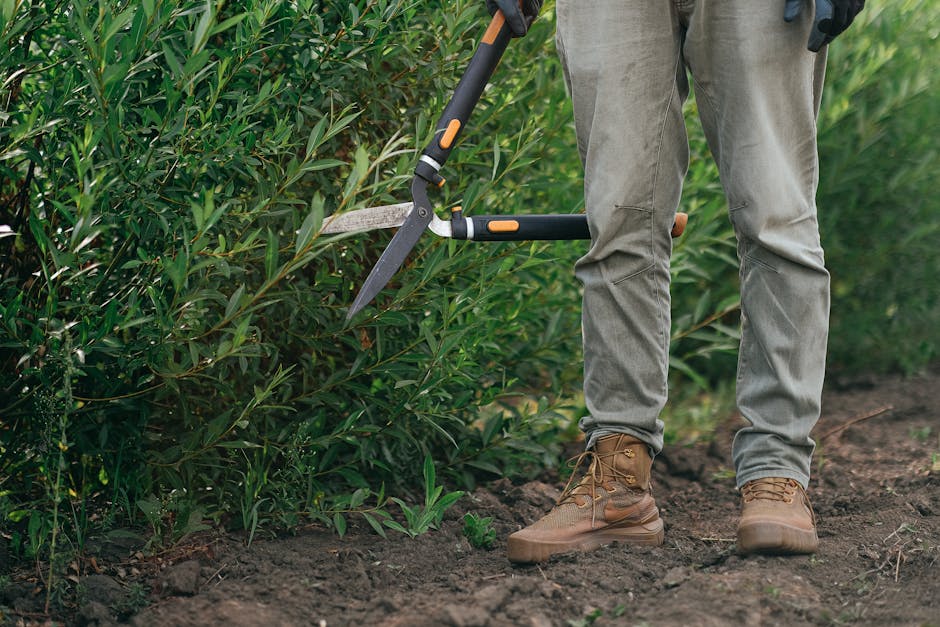
Barnet Market garden maintenance for EN5 gardeners
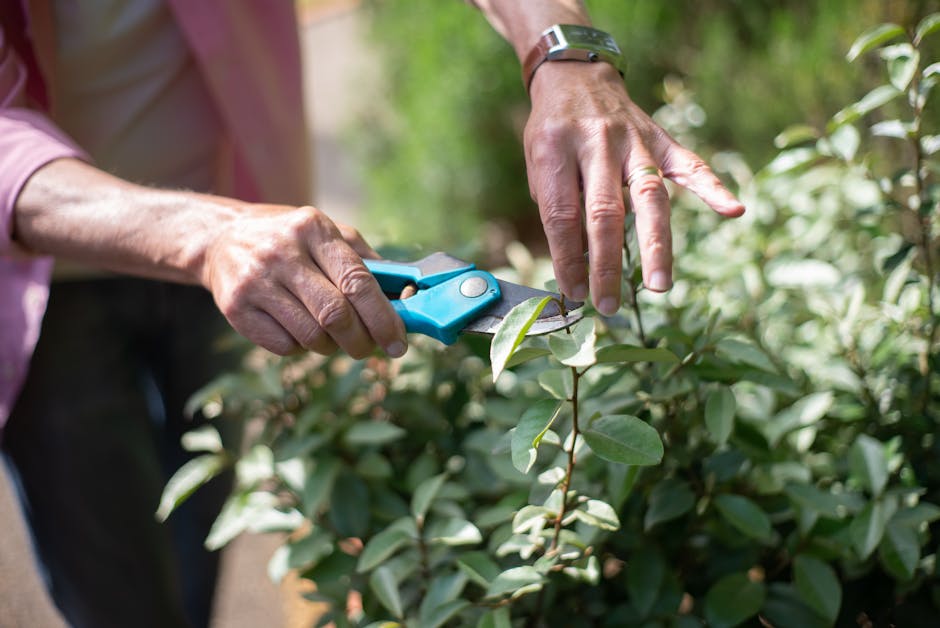
If you live near Barnet Market and want a garden that looks cared for without spending every weekend wrestling with weeds, clipping hedges, and chasing the lawn around the patio, you are in the right place. Barnet Market garden maintenance for EN5 gardeners is really about keeping outdoor spaces tidy, healthy, and usable in a busy part of north London where weather, paving, shade, and limited time all seem to gang up on the average garden.
In practical terms, good maintenance is less about dramatic transformations and more about steady, sensible upkeep. A little pruning at the right time. A lawn cut before it gets shaggy. Borders cleared before they become a small ecosystem of their own. Sounds simple, but let's be honest, gardens have a way of getting away from people, especially during a wet spell or when work and family life take over.
This guide explains what garden maintenance usually involves in EN5, why it matters, how the process works, and how to decide which tasks to keep on top of yourself and which ones are better handed over. You will also find a comparison table, a practical checklist, and some plain-English advice on best practice, safety, and local expectations.
- Why Barnet Market garden maintenance for EN5 gardeners Matters
- How Barnet Market garden maintenance for EN5 gardeners Works
- Key Benefits and Practical Advantages
- Who This Is For and When It Makes Sense
- Step-by-Step Guidance
- Expert Tips for Better Results
- Common Mistakes to Avoid
- Tools, Resources and Recommendations
- Law, Compliance, Standards, or Best Practice
- Options, Methods, or Comparison Table
- Case Study or Real-World Example
- Practical Checklist
- Conclusion
- Frequently Asked Questions
Why Barnet Market garden maintenance for EN5 gardeners Matters
Gardens around Barnet Market and the wider EN5 area face a familiar mix of urban pressures: compact spaces, neighbouring boundaries, mature hedges, shaded corners, and the usual London pattern of "too dry, then suddenly very wet." That combination can make even a decent-looking garden unravel quickly. A lawn loses its shape. Ivy creeps further than planned. Dead heading gets skipped. Then one day you step outside and realise the place needs more than a quick tidy-up.
That is why regular garden maintenance matters. It protects the structure of the garden, keeps plants healthy, and stops minor jobs turning into bigger, more expensive ones. A bed that is weeded weekly is quicker to manage than one left for a month. A hedge cut a little and often is easier to shape than one left to become a green wall with opinions.
For EN5 homeowners, landlords, and tenants, the practical benefit is obvious: a neat garden feels more welcoming and is easier to use. If you have children, pets, or just like sitting out with a cup of tea when the weather behaves itself, maintenance makes the space work better. It also helps preserve hard landscaping, fencing, and planting so the whole garden ages more gracefully.
There is another point people sometimes miss. Good garden maintenance is not just cosmetic. It supports plant health, reduces pest pressure, improves drainage around beds and paths, and makes problems easier to spot early. Spotting mildew on roses, a failing fence panel, or a clogged drain cover early is a lot nicer than dealing with it when the issue has already spread.
Expert summary: If your EN5 garden is starting to feel harder work than enjoyment, maintenance is usually the smartest first step. It keeps the space under control without forcing a full redesign, and it often reveals what actually needs improving rather than what simply looks messy.
How Barnet Market garden maintenance for EN5 gardeners Works
Garden maintenance can mean different things depending on the size, age, and condition of the outdoor space. In a typical EN5 garden, the work often begins with a straightforward assessment: what needs doing now, what can wait, and what could create problems if left alone. That might include lawn care, hedge trimming, pruning, weeding, leaf clearance, edging, and light tidy-ups around paths, sheds, and borders.
For a lot of people, the process becomes much easier when it is broken into categories. Not everything needs to happen at once. Truth be told, trying to do everything in one weekend often leads to sore shoulders, a pile of half-finished tasks, and a compost heap that looks oddly judgmental.
A sensible maintenance routine usually follows a repeatable pattern:
- Inspect the garden for overgrowth, damage, dead plants, weeds, and drainage issues.
- Prioritise safety and access by clearing paths, steps, and any obstructive debris.
- Carry out the core tasks such as mowing, trimming, pruning, and border tidying.
- Remove and recycle waste so the garden is left clean, not just cut back.
- Finish with detail work like edging, sweeping, and checking that everything looks balanced.
Depending on the property, a maintenance visit might be weekly, fortnightly, monthly, or seasonal. A small courtyard near Barnet Market with pots and planters may only need light but regular care. A bigger family garden with hedges and mature shrubs usually needs a deeper routine to stay under control. A patchy lawn and a tangle of shrubs are not a moral failing, by the way. They just need a plan.
Professional garden maintenance often links neatly with related services. For example, if a boundary hedge has become too dense, hedge trimming can restore shape and light. If the grass has outgrown a simple pass with the mower, lawn mowing becomes the quickest route back to order. And if the garden has been neglected for a while, garden clearance may be the right starting point before maintenance can really take hold.
Key Benefits and Practical Advantages
Good maintenance is easy to underestimate because the results look calm and natural when done well. But that is the point. The garden feels effortless because someone has kept on top of it behind the scenes.
- Better curb appeal: a tidy front or rear garden instantly makes the whole property feel more cared for.
- Healthier plants: regular pruning, feeding, and weed control reduce stress on shrubs, lawns, and borders.
- Less catch-up work: small, consistent jobs stop seasonal maintenance turning into a big one-off slog.
- Safer access: clear paths, even edges, and reduced overgrowth help avoid trips and blocked access points.
- More usable space: when the garden is orderly, you actually want to use it.
- Better long-term value: regular care protects the condition of planting and outdoor features.
There is also a psychological benefit, and it is a real one. Stepping into a well-kept garden after a noisy commute, a rainy morning, or a long workday feels different. It is quieter. It asks less of you. You notice the shapes of the shrubs, the smell of cut grass, the clean edge along a border. Small thing, maybe. But it matters.
For landlords and letting agents, maintenance also reduces the risk of a garden becoming a complaint point at the end of a tenancy. For homeowners preparing to sell, it can make photos and viewings look cleaner without any major landscaping work. If the space needs more than routine care, it may be worth exploring landscape gardening or broader landscaping to improve layout, planting, and usability.
Who This Is For and When It Makes Sense
Not every garden needs the same level of maintenance. Some people are perfectly happy spending an hour every Saturday pottering about with secateurs. Others would rather not see a weed in the daylight if they can help it. Both are fair enough.
Here is who tends to benefit most from Barnet Market garden maintenance for EN5 gardeners:
- Busy homeowners who want a neat garden without losing half their free time to it.
- Older residents who may find heavier garden work awkward, tiring, or unsafe.
- Tenants and landlords who need outdoor space kept presentable and manageable.
- Families who want safe play space, clear paths, and low-fuss upkeep.
- People with larger or more mature gardens where hedges, trees, and borders need regular attention.
It also makes sense at specific times of year. Spring is often when growth starts racing away. Early summer can expose lawns that need more regular mowing. Autumn brings leaf fall, dampness, and a bit of extra mess around patios and drains. Winter is slower, but it is not a no-work season; it is usually the time to tidy, protect, and prepare.
If you are undecided, ask yourself one simple question: is the garden making life easier or heavier? If it is the second one, maintenance is probably overdue. No drama. Just reality.
Step-by-Step Guidance
Whether you are managing the work yourself or hiring help, a clear process makes everything easier. The goal is not perfection. It is control, consistency, and a finish that looks intentional rather than rushed.
1. Start with a proper look around
Walk the whole garden slowly. Look at what has grown too much, what has died back, and what has become difficult to access. Check whether paths are clear and whether water is pooling anywhere after rain. This first pass saves time because it stops you tackling low-priority tasks before the urgent ones.
2. Deal with access and safety first
Before cutting or lifting anything, clear tools, pots, toys, broken branches, and loose debris from work areas. If a hedge, tree, or large shrub is involved, think ahead about where cuttings will fall and how you will remove them safely. For bigger or awkward jobs, it is often smarter to arrange tree lopping and removal support rather than risk doing damage with a ladder and a vague sense of optimism.
3. Cut back growth in the right order
Start with the largest or most obstructive growth first. That usually means hedges, tall perennials, and overlong grass. Then move to borders, edges, and detail work. Cutting the main structure first gives you a clearer view of the garden. Otherwise, you can spend ages fiddling with plants you later need to move anyway.
4. Weed, edge, and tidy
This is the part that turns a garden from "recently cut" into "properly maintained." Weed around paths and beds, define the lawn edge, and clear dead leaves or twigs. A tidy edge makes even a modest garden look sharper. It is a small detail, but it changes the whole feel.
5. Finish with waste removal and a final check
Do not leave piles of clippings sitting around to rot. Remove them, compost them if suitable, or arrange collection and disposal as needed. Then step back and look again. Is the space balanced? Is anything still hiding in plain sight? A final walk-through catches the sort of thing people only notice after a few days, usually at dusk, with a cup of tea in hand.
Expert Tips for Better Results
Most good maintenance comes down to timing and restraint. Overdoing it can be just as unhelpful as neglecting it.
- Cut little and often: especially with hedges, lawns, and fast-growing shrubs. It is easier to maintain shape than recover it.
- Do not scalp the lawn: mowing too low weakens grass, particularly in dry spells or shaded areas.
- Prune with a purpose: remove dead, crossing, or overlong growth rather than trimming everything just because it looks untidy.
- Work with the season: spring growth, summer watering, autumn leaf fall, and winter protection each call for slightly different attention.
- Use sharp tools: blunt blades bruise plants, make work harder, and produce uneven finishes.
- Leave room for light and airflow: this helps reduce damp-related problems and keeps planting healthier overall.
A practical example: a narrow side return in EN5 might become dark and damp because both boundary hedges have thickened over time. A light reduction on both sides can improve airflow straight away. The difference is often noticeable within a week or two, especially after rain. Not glamorous, but very useful.
If you are working with a gardener or landscaping team, ask them how they prioritise the work. A thoughtful approach usually beats a big, rushed tidy-up. And if they mention sustainable waste handling, that is a good sign too. You can read more about a provider's approach on recycling and sustainability.
Common Mistakes to Avoid
Garden maintenance sounds straightforward until a few common mistakes creep in. Most are easy to avoid once you know what to look for.
- Waiting too long: leaving maintenance for months makes even simple jobs heavier and more time-consuming.
- Using the wrong cut: pruning at the wrong point can damage flowering, shape, or regrowth.
- Ignoring the waste pile: clippings left in damp corners can attract pests or create a messy, slippery patch.
- Overwatering or underwatering: especially common with pots and newly planted shrubs.
- Forgetting the edges: a garden can look only half-done if the lawn edge and borders are left rough.
- Trying risky jobs without the right support: tall hedges, awkward trees, and heavy clearance work can become unsafe quite quickly.
There is also the classic mistake of assuming maintenance and landscaping are the same thing. They are related, sure, but not identical. Maintenance keeps the current garden healthy and orderly. Landscaping changes the structure, layout, or features. If your space needs a more substantial rethink, a simple trim will not solve it. Sometimes people know this already; they just need someone to say it plainly.
Tools, Resources and Recommendations
You do not need a huge shed full of gear to keep a garden in shape, but the right tools make maintenance calmer, quicker, and less irritating. A blunt pair of secateurs can turn a five-minute job into a grim little battle.
| Task | Useful tools | What to watch for |
|---|---|---|
| Lawn care | Mower, edging tool, rake | Uneven cutting height, wet grass, missed corners |
| Hedge trimming | Hedge trimmer, hand shears, gloves | Overcutting, poor line, hidden nesting activity |
| Pruning | Secateurs, loppers, pruning saw | Blunt blades, cutting too close, removing the wrong growth |
| Weeding and tidy-up | Hand fork, hoe, buckets, green waste bags | Missing roots, spreading seed heads, leaving debris behind |
| General upkeep | Brush, broom, gloves, kneeler | Slippery surfaces, broken glass, hidden sharp edges |
For many EN5 homeowners, the smartest setup is a mix of everyday DIY care and periodic professional help. That might mean handling simple watering and light weeding yourself, then using a maintenance service for heavier seasonal jobs, overgrown hedges, or a full reset. If you want a broader view of what can be covered, the services overview is a useful place to start.
When comparing providers, look beyond the first quote. Ask how they handle waste, whether they are insured, what kind of maintenance schedule they recommend, and how they communicate during the job. You are not just buying cutting time. You are buying judgement, reliability, and a clean finish.
Law, Compliance, Standards, or Best Practice
Most routine garden maintenance is straightforward, but a few safety and best-practice points are worth keeping in mind. This is especially true when using tools near boundaries, working at height, or dealing with trees and heavy waste.
In the UK, gardeners and property owners are generally expected to act sensibly around safety, waste disposal, and neighbourly impact. That means avoiding unsafe ladder use, keeping paths clear, not letting debris blow into adjoining properties, and disposing of green waste responsibly. If work is being carried out by a contractor, it is sensible to ask about insurance, risk awareness, and how they manage hazards on site. A provider that explains this clearly is usually easier to trust. You can also review a company's approach to insurance and safety and their health and safety policy if you want reassurance before booking.
For homeowners, one practical best practice is to check whether any birds are nesting before major hedge or tree work is scheduled. That kind of awareness matters. The point is not to get tangled in unnecessary caution; it is simply to avoid preventable problems and do the job properly.
Where trees, large branches, or risky access are involved, it is usually wise to treat the work as specialist rather than routine. A little common sense goes a long way here. To be fair, a wobbly step ladder and a strong breeze are never a great combination.
Options, Methods, or Comparison Table
There are a few practical ways to keep a garden in shape in EN5. The right one depends on time, budget, size, and how much you enjoy being outdoors with a pair of gloves on.
| Approach | Best for | Pros | Trade-offs |
|---|---|---|---|
| DIY maintenance | Small or simple gardens | Low cost, flexible timing, hands-on control | Time-consuming, harder for seasonal overgrowth, less consistent finish |
| Occasional professional visits | Busy households and moderate gardens | Good reset after growth bursts, manageable cost, reliable results | May still need light upkeep between visits |
| Regular scheduled maintenance | Larger, mature, or heavily used gardens | Consistent appearance, fewer surprises, easier long-term control | Ongoing commitment, needs a clear scope |
| Maintenance plus landscaping support | Gardens needing both care and improvement | Can fix layout issues while keeping the space tidy | More planning needed, usually a bigger project overall |
If the garden is mainly overgrown and hard to enter, start with clearance. If it is already in decent shape but needs to stay that way, regular maintenance is usually the better fit. If the space feels awkward, tired, or poorly laid out, you may want to pair upkeep with design improvements through landscape gardening.
Case Study or Real-World Example
Here is a realistic scenario from a typical EN5 garden near Barnet Market. A small rear garden had become difficult to use because the lawn was uneven, the hedge had started leaning into the path, and the borders were full of weeds. Nothing dramatic, just enough to make the whole space feel neglected. The owners had been meaning to sort it for months. Life got in the way, as it does.
The first visit focused on clearing access, trimming the hedge back to a manageable line, mowing the lawn properly, and removing dead material from the borders. Rather than trying to force a perfect finish on day one, the work concentrated on restoring structure. After that, the garden was easier to maintain because you could actually see what needed attention.
On the follow-up visit, the maintenance work became simpler: edging, weeding, light pruning, and a tidier waste routine. The main lesson was clear. Once a garden has a baseline of order, maintenance stops feeling like rescue work and starts feeling like normal upkeep. Much nicer for everyone.
That pattern is common. A modest reset followed by steady maintenance usually beats an all-or-nothing approach. It is less stressful, less messy, and frankly more realistic for most busy households.
Practical Checklist
Use this checklist before or after a maintenance visit. It keeps things simple and stops small jobs slipping through the cracks.
- Check lawn height and mow if needed.
- Trim hedges and shrubs that are blocking light or paths.
- Remove weeds from borders, paving joints, and around fences.
- Clear fallen leaves, twigs, and dead plant material.
- Inspect for damaged stems, dead branches, or diseased growth.
- Edge the lawn so the outline is clean and defined.
- Collect and dispose of green waste responsibly.
- Water pots and newly planted areas if conditions are dry.
- Check for drainage issues after rain.
- Look over gates, paths, and access routes for anything unsafe or awkward.
Quick takeaway: if you only have time for three things, do the grass, the edges, and the weeds. Those three alone change how a garden feels more than people expect.
Whether you are looking for a one-off tidy-up or a more regular upkeep plan, it helps to choose a team that values reliability, safe working, and a finish that suits your property rather than forcing a generic result. If you are comparing options, you can always explore garden maintenance, review the company's about us page, or read the pricing and quotes information before making a decision.
Conclusion
Barnet Market garden maintenance for EN5 gardeners is not about making the garden look perfect every day. It is about creating a steady, realistic rhythm that keeps outdoor spaces neat, healthy, and easy to enjoy. For many households, that means a mix of mowing, trimming, weeding, tidy edges, and occasional heavier work when the garden has got ahead of itself.
The best results usually come from a practical plan rather than a heroic weekend effort. Start small if you need to. Reset the garden if it has slipped. Then keep it moving in the right direction. That is how gardens stay pleasant without becoming a second job.
If you want a safer, tidier, more manageable outdoor space in EN5, the next step is simply to assess what needs attention now and what can wait until the next season. A little consistency goes a long way, really.
Get a free quote today and see how much you can save.
Frequently Asked Questions
What does garden maintenance usually include in Barnet Market and EN5?
It usually includes lawn mowing, hedge trimming, pruning, weeding, border tidying, leaf clearance, edging, and general waste removal. The exact mix depends on the garden's size and condition.
How often should an EN5 garden be maintained?
That depends on growth rate and usage. Small, tidy gardens may only need monthly attention, while larger or faster-growing gardens often need more regular visits in spring and summer.
Is garden maintenance the same as landscaping?
No. Maintenance keeps an existing garden in good condition. Landscaping changes the layout, structure, or features of the space. They can work together, but they are different jobs.
What if my garden is badly overgrown?
If the garden has become heavily overgrown, a clearance visit is often the better first step. Once the worst of the growth is removed, regular maintenance becomes much easier to manage.
Can maintenance help with a messy front garden near Barnet Market?
Yes. Front gardens benefit a lot from routine care because they set the tone for the whole property. A tidy lawn, clipped hedge, and clear path can make a surprising difference.
Do I need regular maintenance in winter?
Usually yes, but the work is lighter. Winter maintenance often focuses on clearing debris, checking drainage, tidying borders, and preparing plants for colder weather.
What should I ask before booking a gardener in EN5?
Ask what tasks are included, how waste is handled, whether they are insured, how often they recommend visits, and whether they can also help with related jobs like hedge trimming or clearance.
Will maintenance improve my lawn?
It often will, especially if the lawn is cut at the right height, edged properly, and kept free from weeds and debris. If the grass is patchy or compacted, it may need additional attention beyond routine mowing.
What is the biggest mistake homeowners make with garden upkeep?
Leaving everything too long. Once growth gets out of hand, the job becomes more time-consuming, more tiring, and usually more expensive to sort out.
Can regular maintenance reduce the need for bigger garden work later?
Yes, very often. Regular upkeep helps catch small issues early, which can prevent the need for heavier clearance, major pruning, or repair work later on.
Is professional maintenance worth it for a small garden?
It can be, especially if you want a consistently neat result but do not have the time, tools, or energy to keep up with it yourself. Small gardens can still be surprisingly fiddly.
How do I get started if I am not sure what my garden needs?
Begin with a simple assessment: lawn, hedges, weeds, access, and any overgrown or damaged areas. From there, decide whether you need routine maintenance, clearance, or a broader improvement plan.